Stamps, Subscriptions, and Splurging: Why Letter Writers Are Happily Going Broke for the Mail
Let's do a little math. A first-class stamp runs you 68 cents right now. A sheet of printer paper is basically free. By that logic, maintaining a pen pal habit should cost you almost nothing — a few bucks a month, tops.
But ask anyone who's been writing letters for longer than six months, and they'll laugh at that math. Because somewhere between your first heartfelt note and your fifteenth trip to a specialty paper shop, letter writing stops being a cheap hobby and starts becoming something you quietly budget for like a gym membership you actually use.
So what happened? And why are people not just okay with it — but genuinely proud of what they're spending?
The Gateway Purchase Nobody Warned You About
It almost always starts with stationery. You run out of plain white paper, you wander into a TJ Maxx or a local boutique, and you spot a set of cards with a watercolor floral border that feels right for the letter you're about to write. You buy it. It's maybe eight dollars.
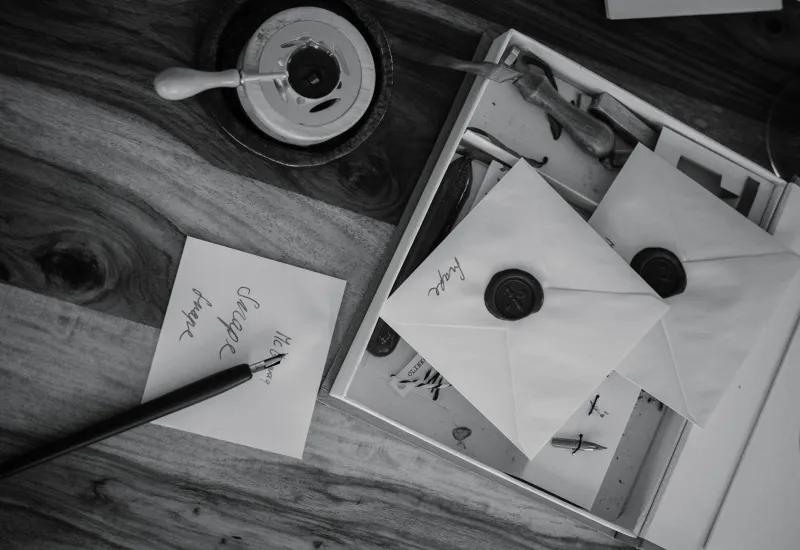
Then you notice your pen feels scratchy on the new paper. So you pick up a fine-liner. Then a fountain pen, because someone in an online pen pal group mentioned that fountain pens make handwriting look more intentional. Then ink. Multiple colors of ink, because moods are complicated.
Before long, you're subscribing to a monthly stationery box.
Services like Papier, LetterSeals, and various Etsy-based subscription boxes have built entire businesses around this exact trajectory. Prices typically run between $25 and $65 a month, and they're not hurting for customers. The appeal isn't just convenience — it's the ritualistic unboxing, the curation, the sense that someone out there thought carefully about what a letter writer might need this month. It feels less like a purchase and more like a gift to yourself.
Marcella T., a 34-year-old teacher from Portland, Oregon, has been subscribing to two different stationery boxes for the past two years. "I know it sounds excessive," she says, "but I have pen pals in four countries. I want what I send to feel considered. Like I actually thought about them when I picked up the paper."
Her monthly letter-writing budget? Around $90, not counting postage.
The Postage Problem Nobody Talks About
Domestic postage is annoying enough, but international correspondence is where the costs really climb. Sending a letter to Japan, Germany, or Brazil from the US currently runs about $1.55 for a standard envelope — more if it's heavy, more still if you're adding pressed flowers, wax seals, or the kind of layered inserts that make opening an envelope feel like an event.
For pen pals who correspond internationally on a weekly basis, postage alone can hit $30 to $40 a month. And that's before you factor in the occasional small gift tucked inside, the custom stamps ordered through USPS's PhotoStamps program, or the padded mailers needed for more elaborate packages.
Jared L., a 28-year-old graphic designer in Austin, Texas, tracks his correspondence spending in a spreadsheet. His current monthly average: $140. "I used to feel kind of embarrassed about it," he admits. "But then I thought about what I spend on streaming services I barely use. At least this is something I'm fully present for."
That comparison — letter writing costs versus passive digital subscriptions — comes up constantly among devoted correspondents. It's become a kind of cultural shorthand for justifying the expense: I spend less on this than I do on Netflix and Hulu combined. Sometimes that's even true.
Wax Seals, Specialty Inks, and the Accessories Rabbit Hole
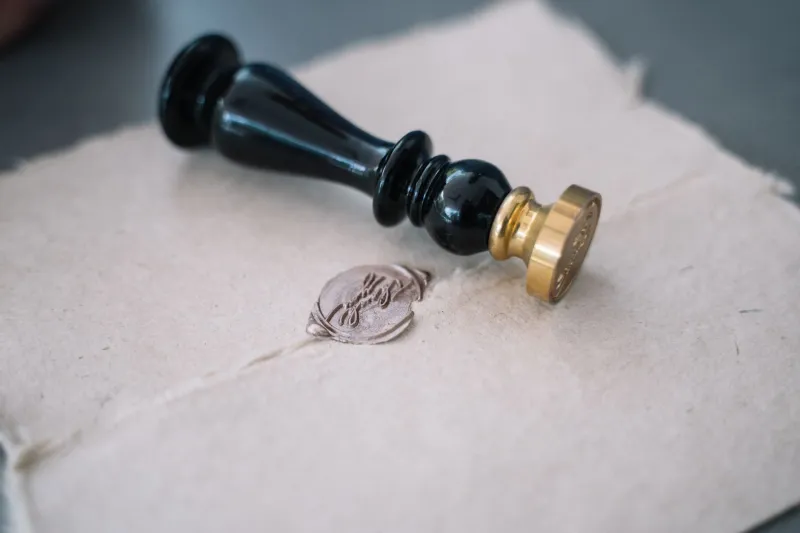
If stationery is the gateway, accessories are where the real money goes. Wax seal kits, which were once a quirky novelty, have become nearly standard in serious pen pal circles. A decent starter kit runs $20 to $40, and that's before you start collecting different seal stamps — monograms, seasonal motifs, tiny animals, celestial designs. Sellers on Etsy have turned custom wax seal stamps into a thriving cottage industry, with individual stamps ranging from $15 to $60 depending on complexity.
Then there's the ink situation. Fountain pen ink comes in hundreds of colors, and the community around it is almost as passionate as the letter writing itself. Shimmer inks, which contain fine metallic particles that catch the light on the page, are particularly popular — and particularly pricey, often running $18 to $30 for a small bottle. Seasonal limited-edition inks from brands like Diamine or Sailor can sell out within hours of release and occasionally show up on resale sites at markups that would make a sneakerhead nod in recognition.
All of this is completely optional, of course. You can write a beautiful, meaningful letter with a Bic ballpoint on notebook paper. But the culture around letter writing has evolved in a direction that treats the physical object — the letter as artifact — as part of the message itself. The wax seal isn't decoration. It's a signal. I cared enough to do this.
The Psychology of Paying More to Connect
Here's the thing that keeps coming up when you talk to regular letter writers about their spending: almost none of them frame it as an expense. They frame it as an investment.
Investment in a friendship that exists outside of an algorithm. Investment in a version of themselves that slows down, thinks carefully, and puts real effort into communication. Investment in the person on the other end of the envelope, who will hold this object in their hands and know that someone, somewhere, chose this paper and this ink and this seal specifically for them.
Dr. Pamela Rhodes, a consumer psychologist who studies experiential spending, notes that people consistently derive more satisfaction from purchases tied to meaningful experiences than from purely transactional ones. "When someone buys specialty stationery, they're not just buying paper," she explains. "They're buying the experience of giving something thoughtful. That emotional return is genuinely high, which is why people keep spending even when the rational case for it is weak."
For letter writers, that emotional return shows up in a very specific way: the moment a pen pal writes back and mentions the paper, or the color of the ink, or the particular stamp you chose. That acknowledgment — I noticed what you did — is worth more than any digital notification.
Is It Worth It? (Spoiler: They All Say Yes)
Nobody who's deep into the pen pal world is under any illusion that it's the economical choice. They know they're paying a premium for something they could technically do for free. But ask them if they'd trade it for a cheaper version of the same hobby, and the answer is almost universally no.
"I could email," says Marcella. "I do email. But I don't think about emails the way I think about letters. I don't spend twenty minutes choosing the right words for a Slack message. The cost is part of what makes it matter."
There's something quietly radical about that. In a world where digital communication has made staying in touch essentially free, the letter writing community has chosen to pay more — not despite the cost, but almost because of it. The friction is the point. The expense is the commitment.
And if that means budgeting for wax and ink and airmail postage alongside your rent and your groceries? Well. Some things are worth the stamp.