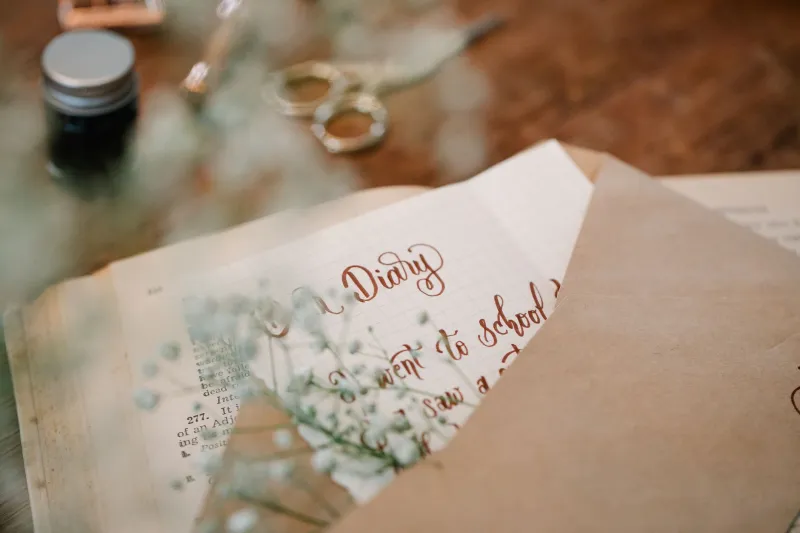
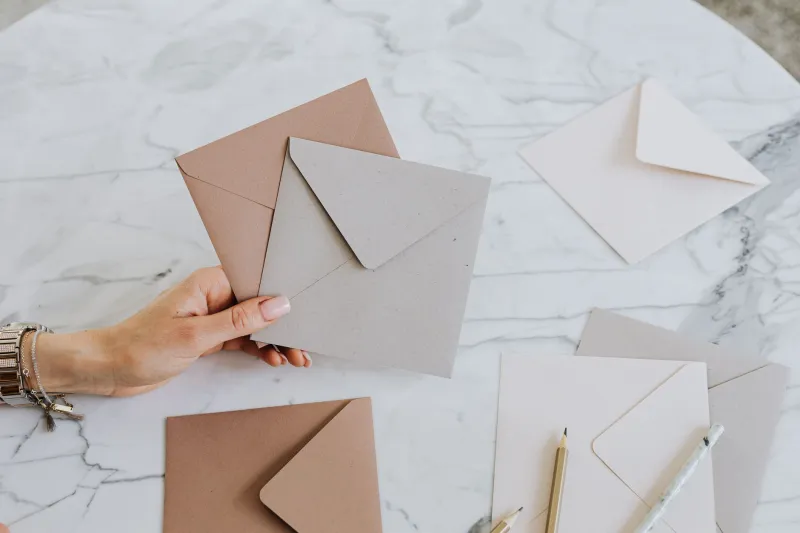
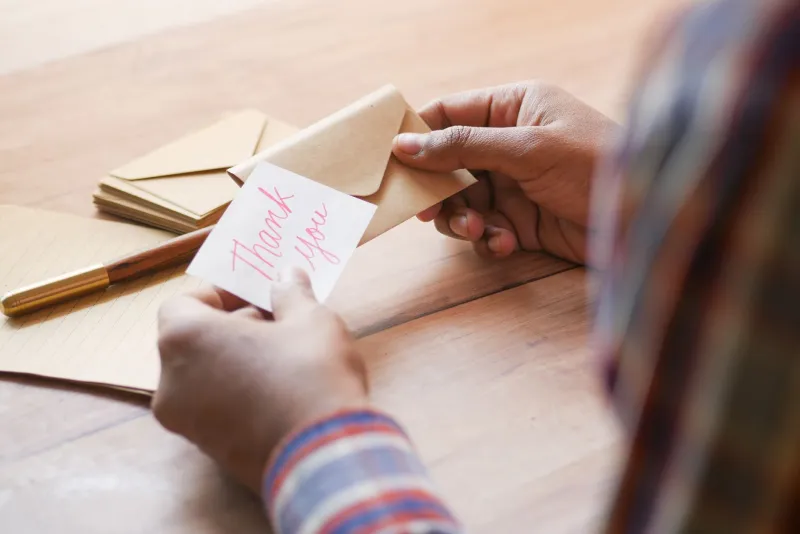
Stamps, Stationery, and the Sweet Irony of Paying More to Slow Down
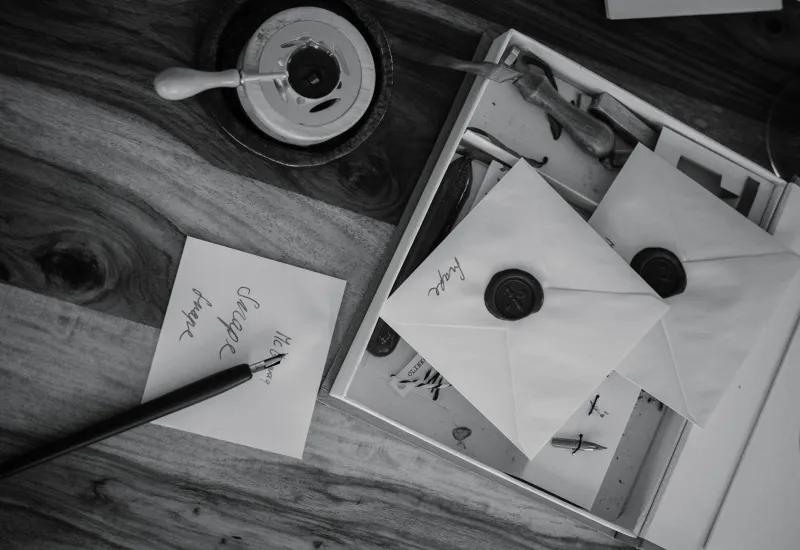
Let's just say it out loud: writing letters is not the cheap hobby people pretend it is.
A first-class stamp now runs you 73 cents. International postage to, say, Japan? Closer to $1.65, sometimes more depending on weight. Add in a sheet of decent cotton-blend stationery, a quality envelope, maybe a wax seal because you've fallen down that particular rabbit hole — and suddenly your "free" form of communication is costing you three to five dollars a letter before you've written a single word.
And yet. The pen pal community in the United States is growing. Stationery shops are seeing resurgences. Vintage stamp collectors are a whole subculture. People are choosing this.
So what exactly are we paying for? And why does it feel so worth it?
The Real Price List Nobody Talks About
Most people who dip into letter writing start out thinking it's practically free. You've got paper somewhere. There's a pen in the junk drawer. How expensive can it get?
Pretty expensive, it turns out — especially once you care.
The entry point is deceptively low, but the hobby has a way of escalating. Hobbyists start noticing the difference between writing on printer paper versus a smooth, heavyweight stationery card. Then they start buying ink. Then fountain pens. Then wax seal kits, which run anywhere from $15 for a basic set to $80+ for a custom monogram stamp. Specialty stationery from small makers on Etsy or boutique shops like the ones scattered across Brooklyn or Portland can run $4 to $8 per sheet for something truly beautiful.
Then there's the time. A thoughtful letter — the kind that actually means something to the person receiving it — takes 30 minutes at minimum. For a lot of writers, it's closer to an hour. That's time carved out of an evening, a Sunday morning, a lunch break. In a culture that monetizes every spare moment, time spent writing a letter to someone who won't read it for two weeks is, economically speaking, a little absurd.
And somehow, that absurdity is the entire appeal.
Why the Cost Signals Something
Here's a counterintuitive truth about the pen pal economy: the expense is part of what makes letters feel meaningful.
When you send a text, the marginal cost is essentially zero. No one expects you to have labored over it. No one frames a screenshot. But when someone receives a handwritten letter — one that cost real money, real stamps, real time — the physical object carries weight before it's even opened. The receiver knows, instinctively, that something was sacrificed to make this arrive.
Economists sometimes call this "costly signaling" — the idea that a gesture carries more meaning precisely because it required something. Flowers cost more than a text. A handmade birthday card costs more than a store-bought one. A letter written on cream-colored stationery with a fountain pen and mailed from across the country costs more than an email. And so it means more. Not because of the paper, but because of what the paper represents: deliberate effort in a world that rewards speed.
Pen pal writers, when you talk to them, often describe this dynamic without using the term. They'll say things like, "I want them to know I actually thought about this," or "There's something about putting it in an envelope that makes it real." They're describing the economics of attention in a language that has nothing to do with dollars.
The Vintage Stamp Situation
If there's one corner of the letter-writing world that perfectly captures this spending psychology, it's the vintage stamp community.
Finding and using "forever stamps" from earlier eras — especially aesthetically interesting ones — has become its own hobby within a hobby. Collectors hunt through estate sales, online marketplaces, and postal history dealers to find stamps that are both valid postage and visually interesting. A sheet of vintage floral forever stamps might cost $18 to $25 when you could buy a functional modern stamp for 73 cents.
Why do it? Because the stamp is part of the letter. It's the first thing a recipient sees when they pull the envelope from the mailbox. Choosing a stamp that fits the vibe of the letter — a mid-century botanical print for a letter to a garden enthusiast, a retro national parks stamp for a hiking friend — is a small act of curation. It's art direction for an audience of one.
That kind of intentionality has real value. It's just not the kind that shows up in a bank account.
International Postage and the Price of Crossing Borders
For pen pals with international connections — and there are a lot of them, particularly in communities like those that thrive here at PenPaland — the cost equation gets even more interesting.
Mailing a standard letter to Europe runs about $1.65. To Australia, similar. To certain parts of Asia or South America, you might be looking at $2.40 or more for anything with extra weight. For someone maintaining an active correspondence with three or four international pen pals, postage alone can run $20 to $30 a month.
That's not nothing. That's a streaming subscription. That's a few coffees. And yet pen pals pay it without much complaint, because the alternative — switching to email — feels like it would destroy the thing entirely. The slowness, the physical crossing of an ocean, the weeks of anticipation: these aren't bugs in the system. They're the features.
What We're Actually Buying
Strip away the romance for a moment and ask the practical question: what does $4 per letter actually purchase?
It buys a document that will likely outlast any digital message you've ever sent. It buys a physical artifact someone might keep in a shoebox for decades. It buys an experience of receiving something — the weight of the envelope, the smell of the paper, the particular loops of someone's handwriting — that a notification ping simply cannot replicate.
But more than any of that, it buys presence. The sender was there, at a desk or a kitchen table, thinking specifically about the person they were writing to. Not multitasking. Not half-watching TV. Just writing. In a world where attention is the scarcest resource we have, a letter is proof that someone gave you theirs, fully, for an hour.
That's what the pen pal community has figured out that the rest of the world is slowly catching up to: slow costs more, and slow is worth it.
The stamp price will probably keep going up. The good stationery will keep getting harder to find. And people will keep buying it anyway, because some things are worth more than they cost.