Ink, Nib, and Soul: How the Pen You Pick Changes Everything About Writing a Letter
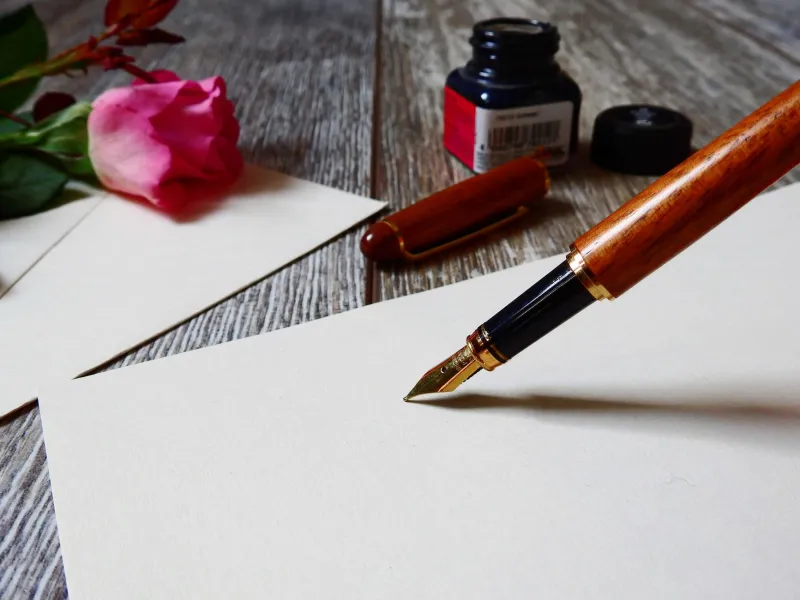
Most people grab whatever pen is lying around the junk drawer without a second thought. A Bic, a hotel pen, the one that somehow survived three moves — it doesn't matter, right? Wrong. Ask any dedicated letter writer about their writing instrument of choice and prepare to settle in. You're going to be there a while.
The pen you use isn't just a delivery mechanism for ink. It's the handshake before the conversation, the tone of voice before the first word. And within the tight-knit world of pen pals and correspondence enthusiasts, the debate over ballpoints versus fountain pens versus gel rollerballs is every bit as heated as arguments over pour-over versus espresso.
Why the Tool Actually Matters
There's a reason musicians are particular about their instruments and chefs obsess over their knives. The tool you use shapes the experience of creation — and letter writing is no different.
When you write by hand, the pen becomes an extension of your body. The weight of it in your palm, the drag of the nib across paper, the way ink flows or stutters — all of it feeds back into your thoughts. Writing with a scratchy, skipping ballpoint can make even the most heartfelt message feel labored. But pick up a well-inked fountain pen that glides like it belongs in your hand, and suddenly the words come easier.
Calligrapher and stationery enthusiast Maya Thornton, who runs a popular letter-writing workshop out of Portland, Oregon, puts it simply: "The pen is the first decision you make about a letter. It sets the mood before you've written a single word."
She's not alone in that thinking.
The Ballpoint: Reliable, Unglamorous, Underestimated
Let's be honest — the ballpoint gets a bad rap in letter-writing circles. It's the minivan of writing instruments: practical, everywhere, and rarely anyone's first love.
But ballpoints have real virtues. They're consistent, they don't bleed through paper, and they work on almost any surface. For letter writers who are just starting out or who write on the go — think journaling on a cross-country Amtrak ride — a quality ballpoint like a Uni-ball Jetstream or a Pentel EnerGel can absolutely get the job done.
"I used a ballpoint for years before I ever tried anything else," says David Reyes, a 34-year-old from Austin who has maintained a pen pal correspondence for over a decade. "When I finally switched to a fountain pen, I realized I'd been settling. But I still keep a ballpoint in my bag for when I'm writing outside or in a coffee shop. It's dependable."
Dependable. Not romantic, not transformative — dependable. Which, honestly, is its own kind of virtue.
Fountain Pens: The Gateway Drug of Serious Correspondents
If you spend any time in pen pal communities online — from Reddit's r/fountainpens to dedicated Facebook groups — you'll notice something fast: fountain pen users are enthusiastic. Borderline evangelical, even.
And there's a reason for that. Writing with a quality fountain pen is a fundamentally different physical experience. The nib flexes slightly with pressure. The ink flows in a way that feels alive. There's a rhythm to it that ballpoints simply can't replicate.
Beyond the feel, fountain pens open up a whole world of customization. Ink colors alone could keep you busy for years — from classic blue-black to deep burgundies, shimmering greens, and inks that shift color as they dry. Brands like Pilot, LAMY, Waterman, and Sailor each have devoted followings, and pen collectors will cheerfully spend an afternoon explaining the difference between a fine nib and an extra-fine one.
"My first fountain pen was a LAMY Safari," says Thornton. "It cost about thirty dollars. I wrote my pen pal a two-page letter with it and I cried a little. I know how that sounds. But the experience was just so different. So intentional."
That word — intentional — comes up constantly when fountain pen users talk about their hobby. There's something about the ritual of filling a pen with ink, capping it carefully, choosing your paper, that slows the whole process down in the best possible way.
Gel Pens: The Middle Ground Worth Respecting
Gel pens occupy a sweet spot that doesn't get enough credit. They write smoother than most ballpoints, don't require the maintenance of a fountain pen, and come in a dizzying array of colors and tip sizes.
For younger letter writers especially, gel pens are often the entry point into caring about writing instruments at all. Brands like Zebra Sarasa, Pilot G2, and Muji's famously minimal gel pens have cult followings among college students and young correspondents who want a satisfying writing experience without committing to the fountain pen lifestyle.
"I use a Muji 0.38 for everything," says Priya Nair, a 26-year-old grad student in Chicago who exchanges letters with pen pals in four different countries. "It writes so fine and clean. My letters look neat without me trying that hard. That matters when you're writing to someone you've never met."
Vintage Pens: When the Instrument Has Its Own History
For a certain kind of correspondent, even a brand-new fountain pen isn't quite enough. They want something with a past.
Vintage pen collecting — hunting for Sheaffer Snorkels, Parker 51s, and Esterbrook desk sets at estate sales and antique shops — has seen a quiet resurgence alongside the broader analog revival. These pens were made in an era when writing instruments were considered lifetime investments, not disposables, and that craftsmanship is still evident decades later.
There's also an undeniable romance to writing a letter with a pen that might have composed love letters, business correspondence, or personal diaries long before you were born. It connects you to a longer chain of human communication — which is, when you think about it, exactly what pen palling is about.
Finding Your Pen: It's More Personal Than You'd Expect
Here's the thing nobody tells you when you start writing letters: finding your pen is a journey, not a purchase. You'll probably go through a few before something clicks. And when it does click, you'll know.
Start somewhere accessible. A Pilot Metropolitan fountain pen (around $20) or a pack of Zebra Sarasa gels are great entry points that won't break the bank. Pay attention to how the writing feels. Does it flow? Does it make you want to keep going? Does the letter feel more like you when it's done?
Because in the end, that's the whole point. A pen is just a tool — until it becomes the thing that makes your words feel true.
And somewhere out there, a person is going to hold that letter in their hands, feel the slight impression of your pen strokes on the paper, and know that you chose every single word on purpose. That starts before the first sentence. It starts with the pen.


